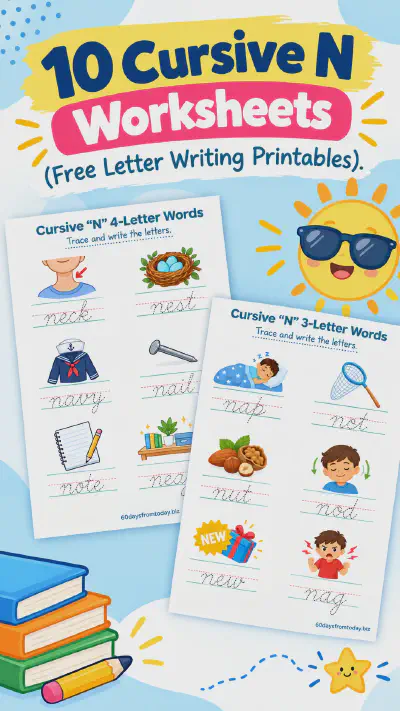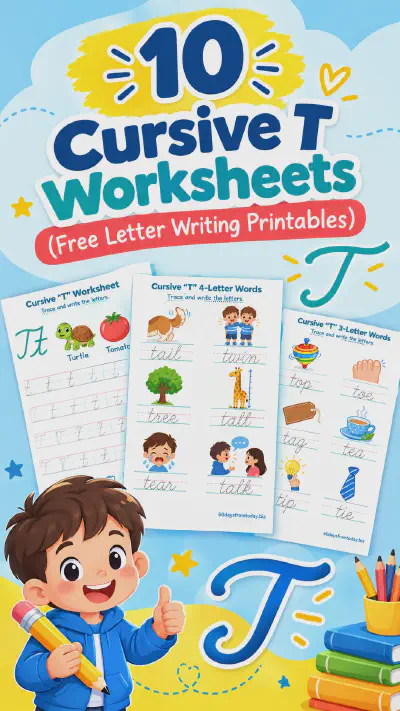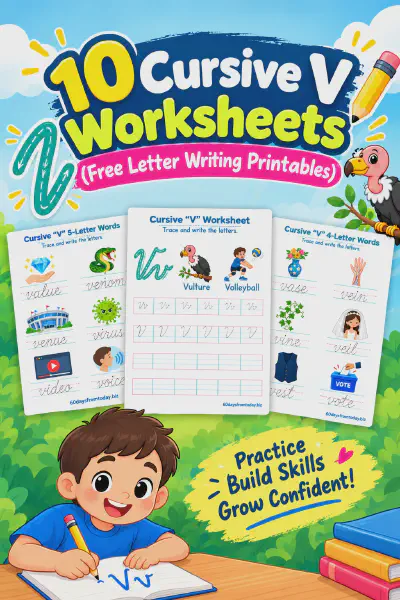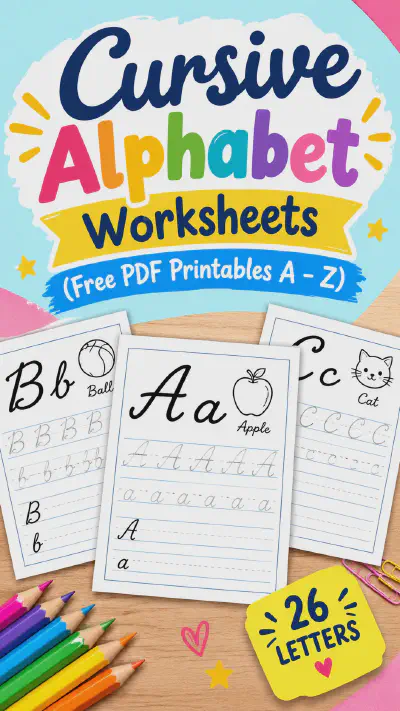
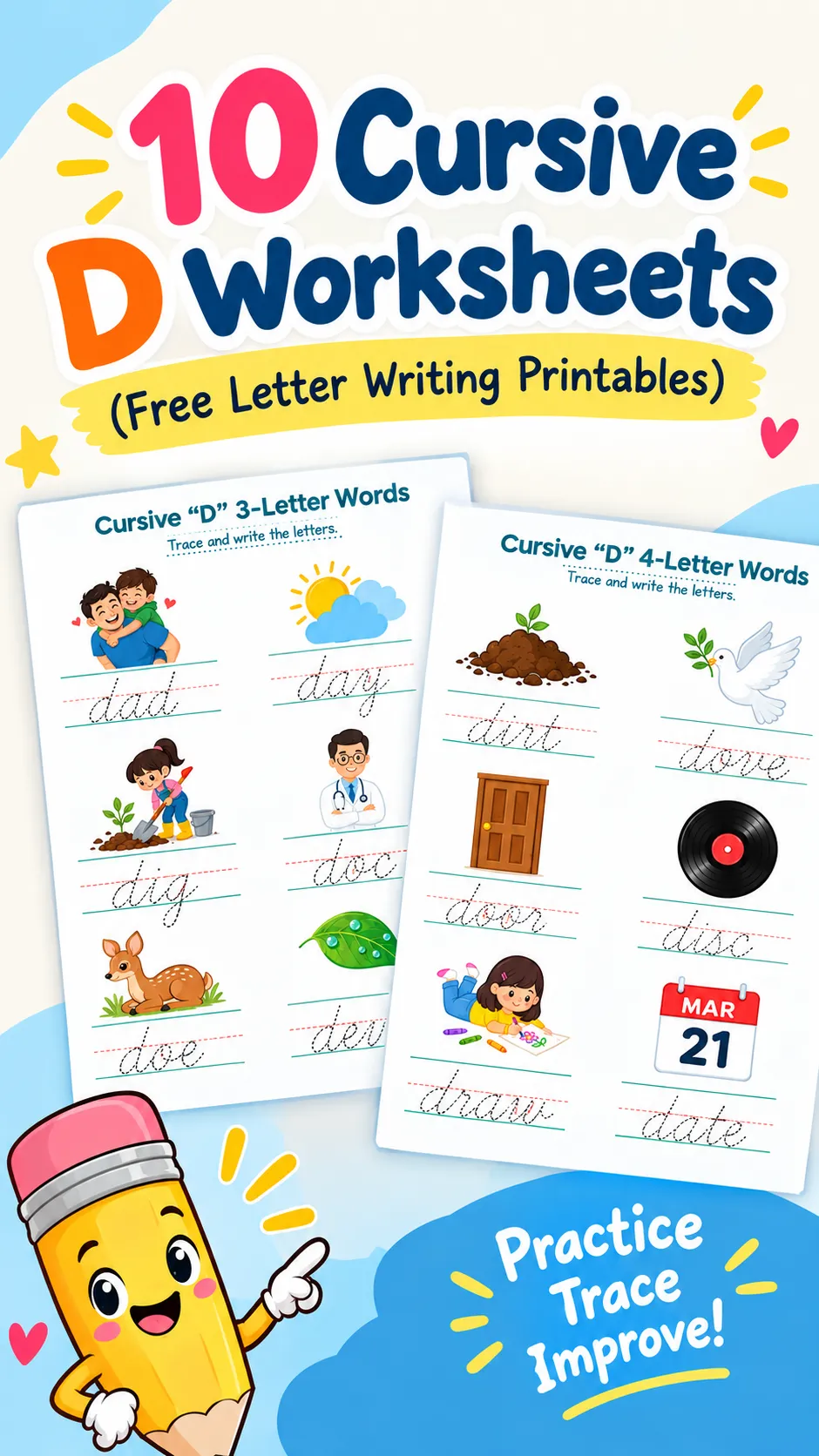
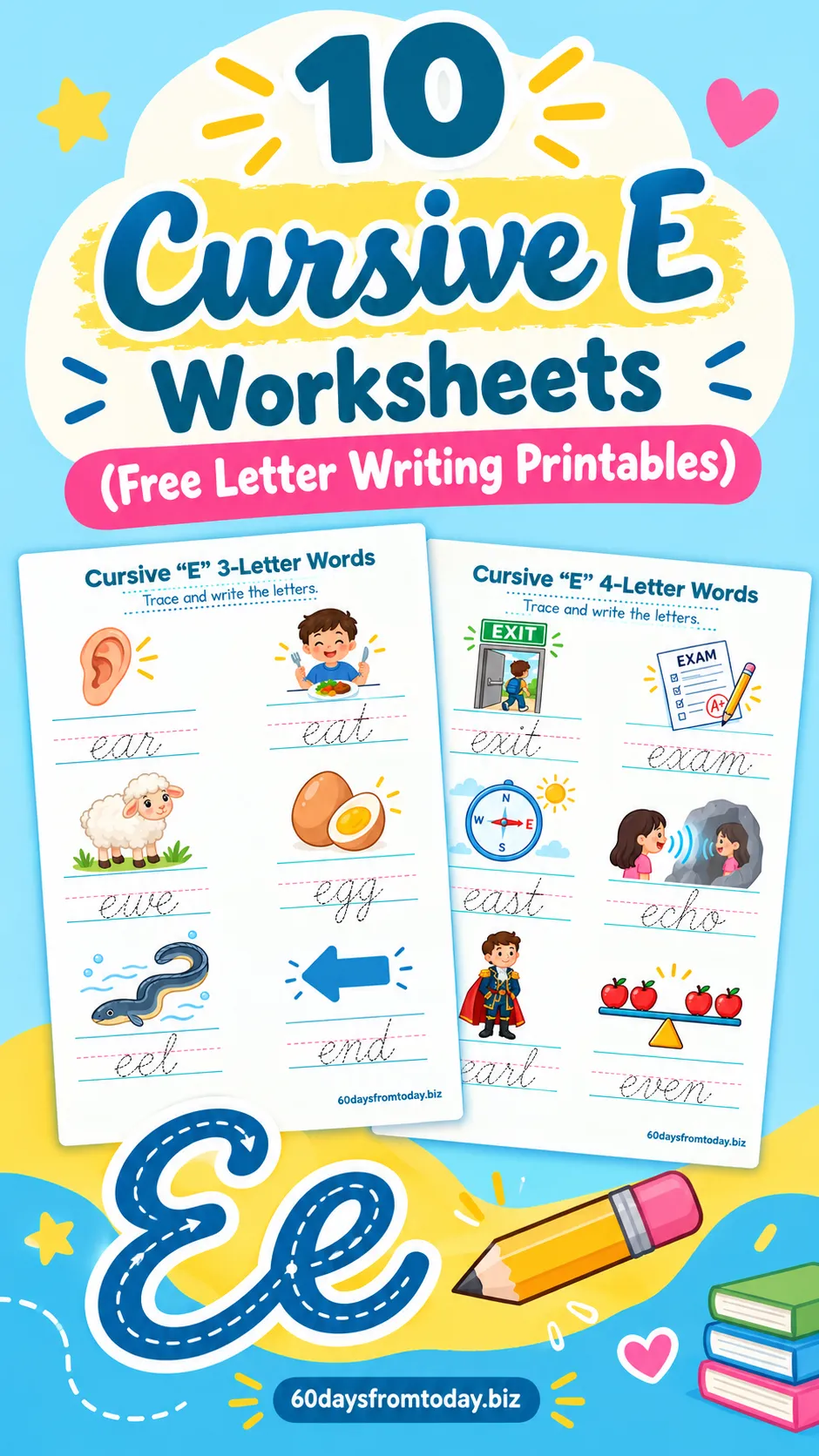
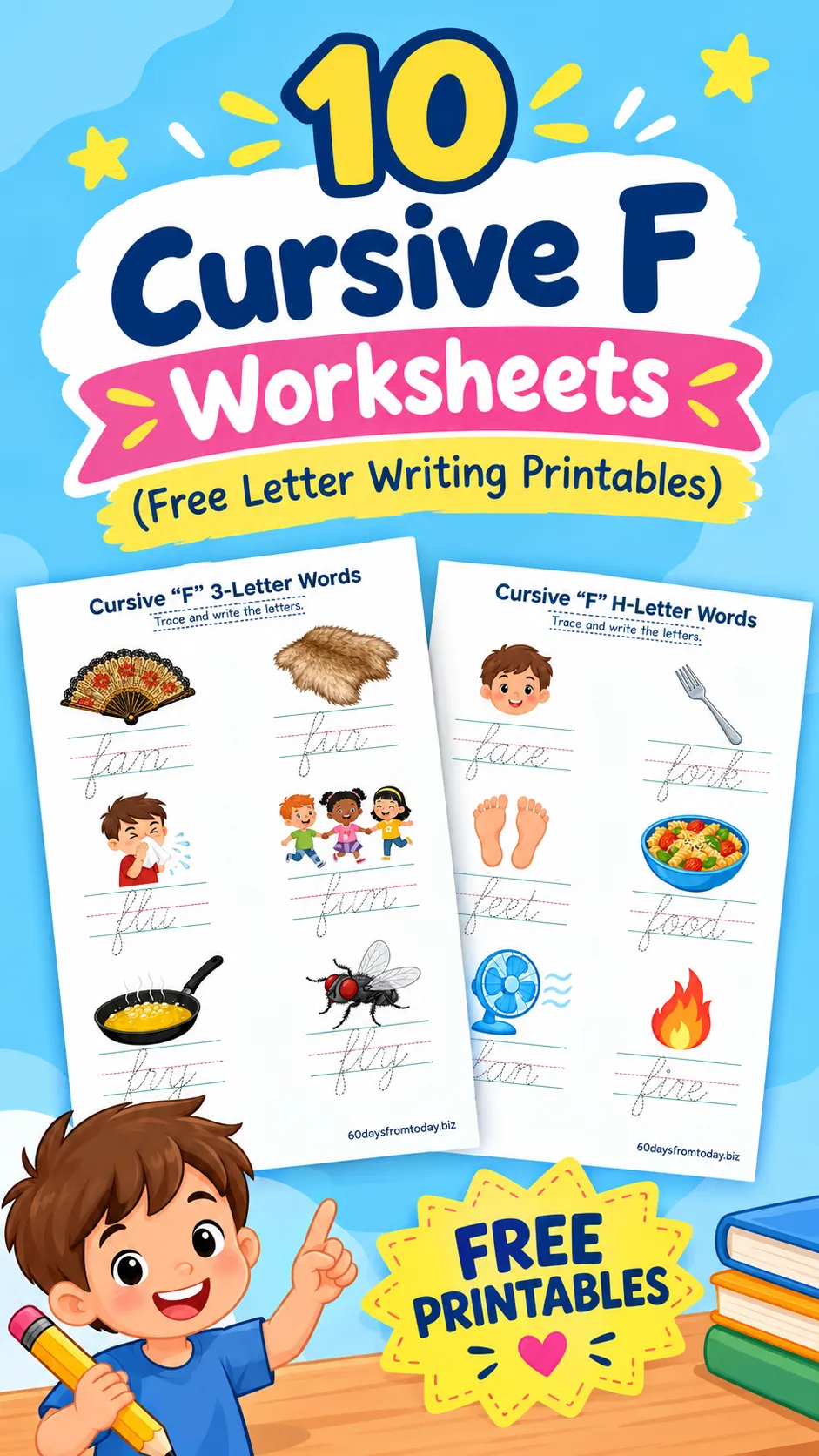
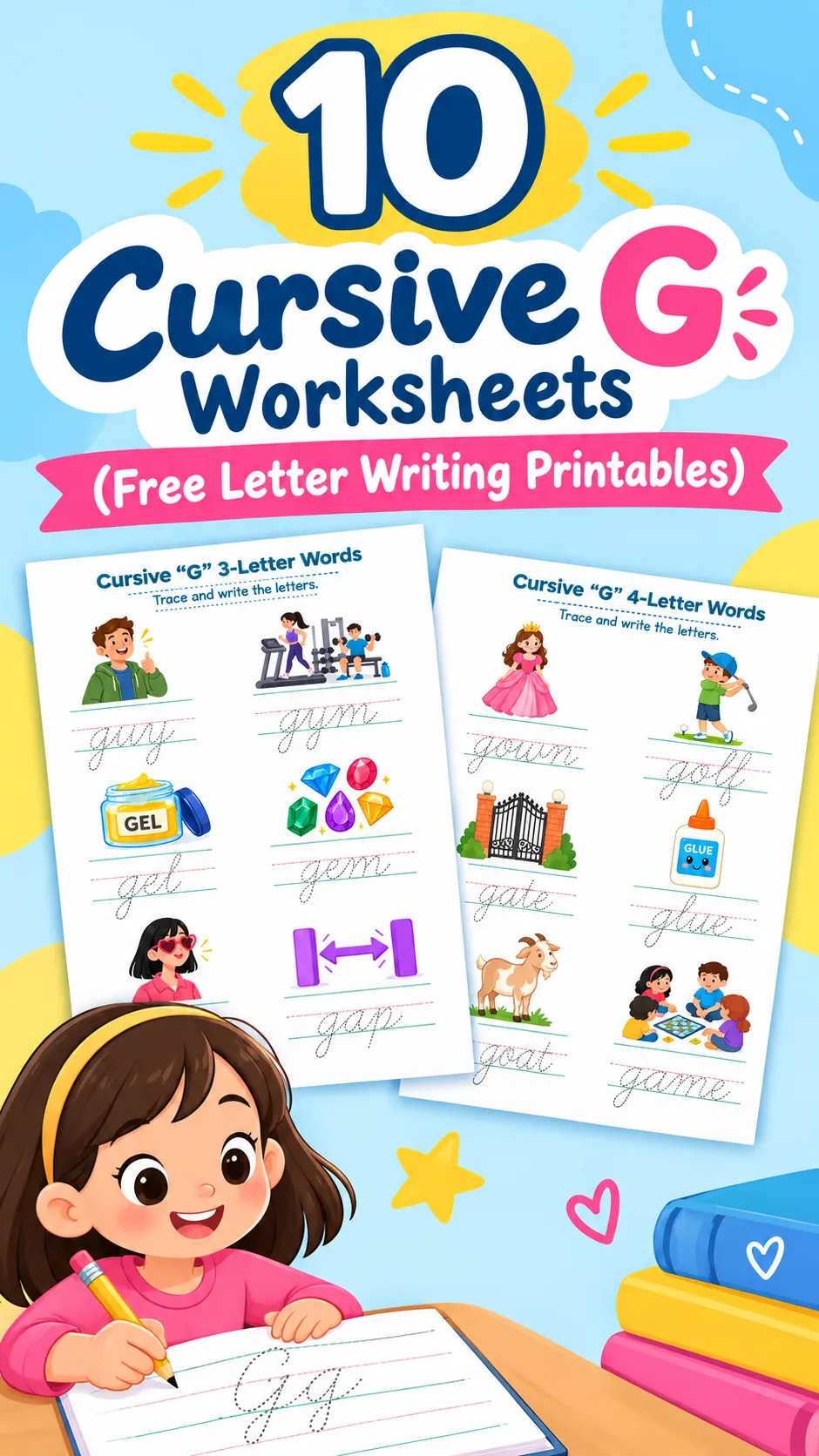
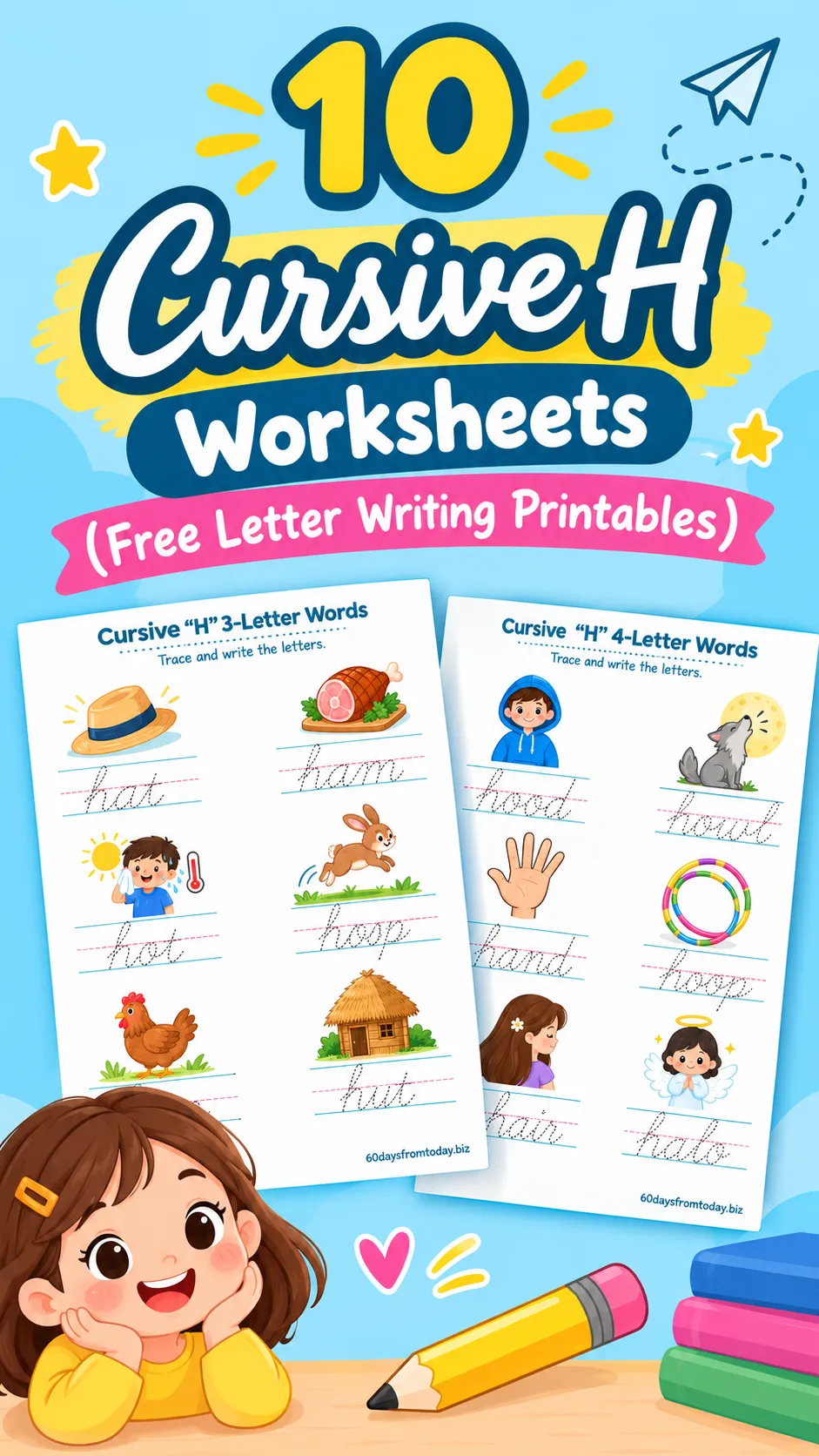
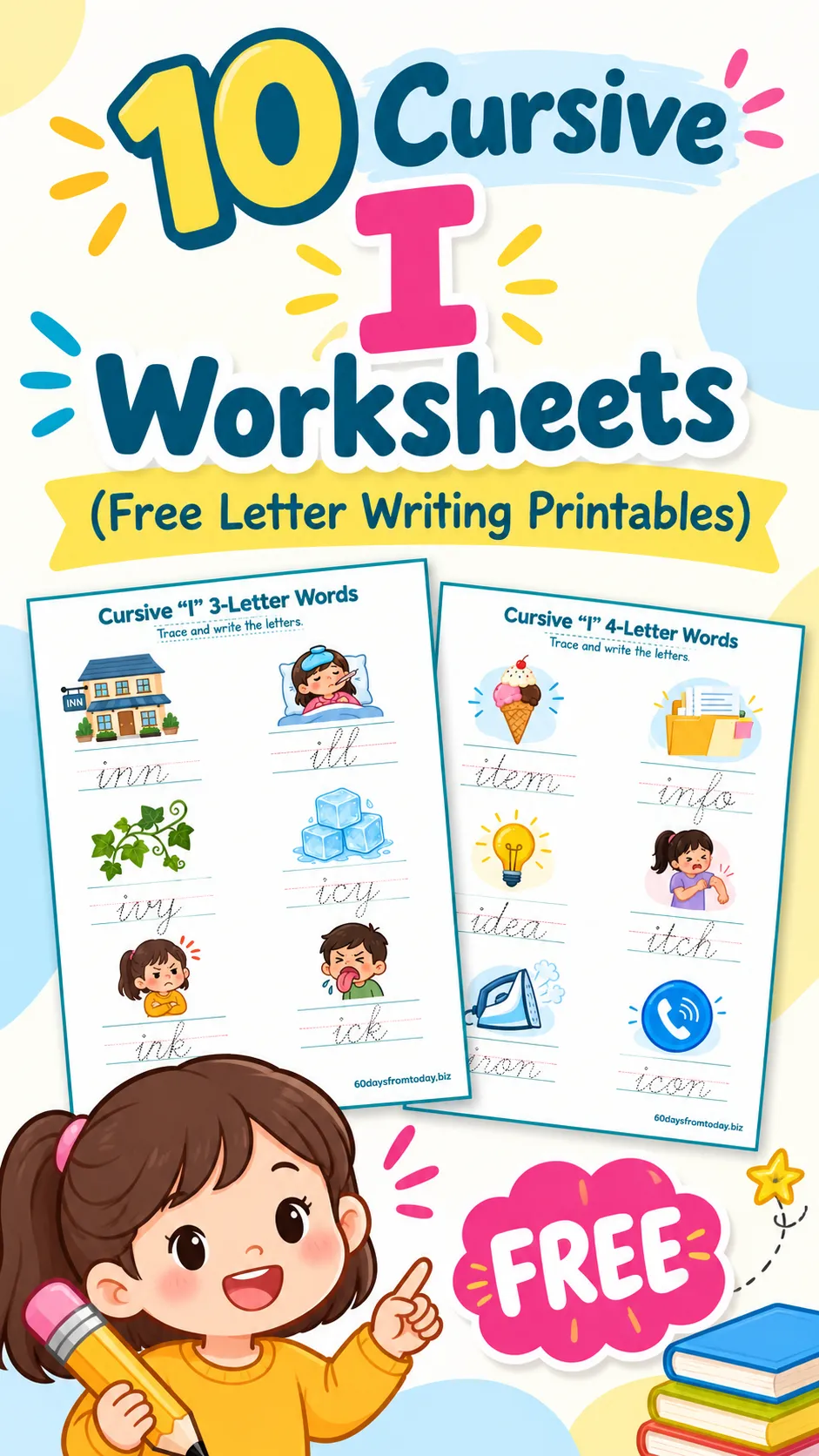
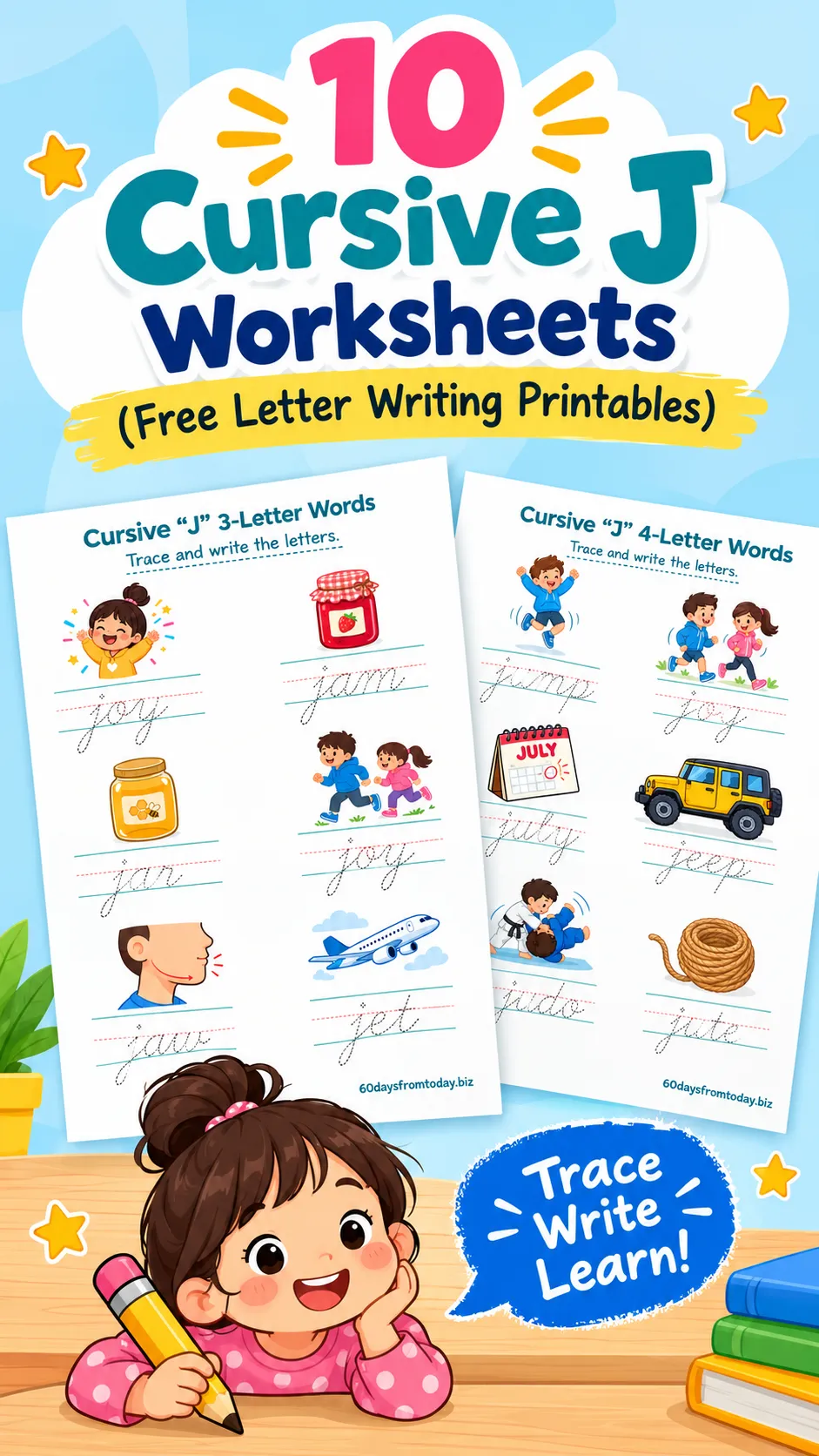
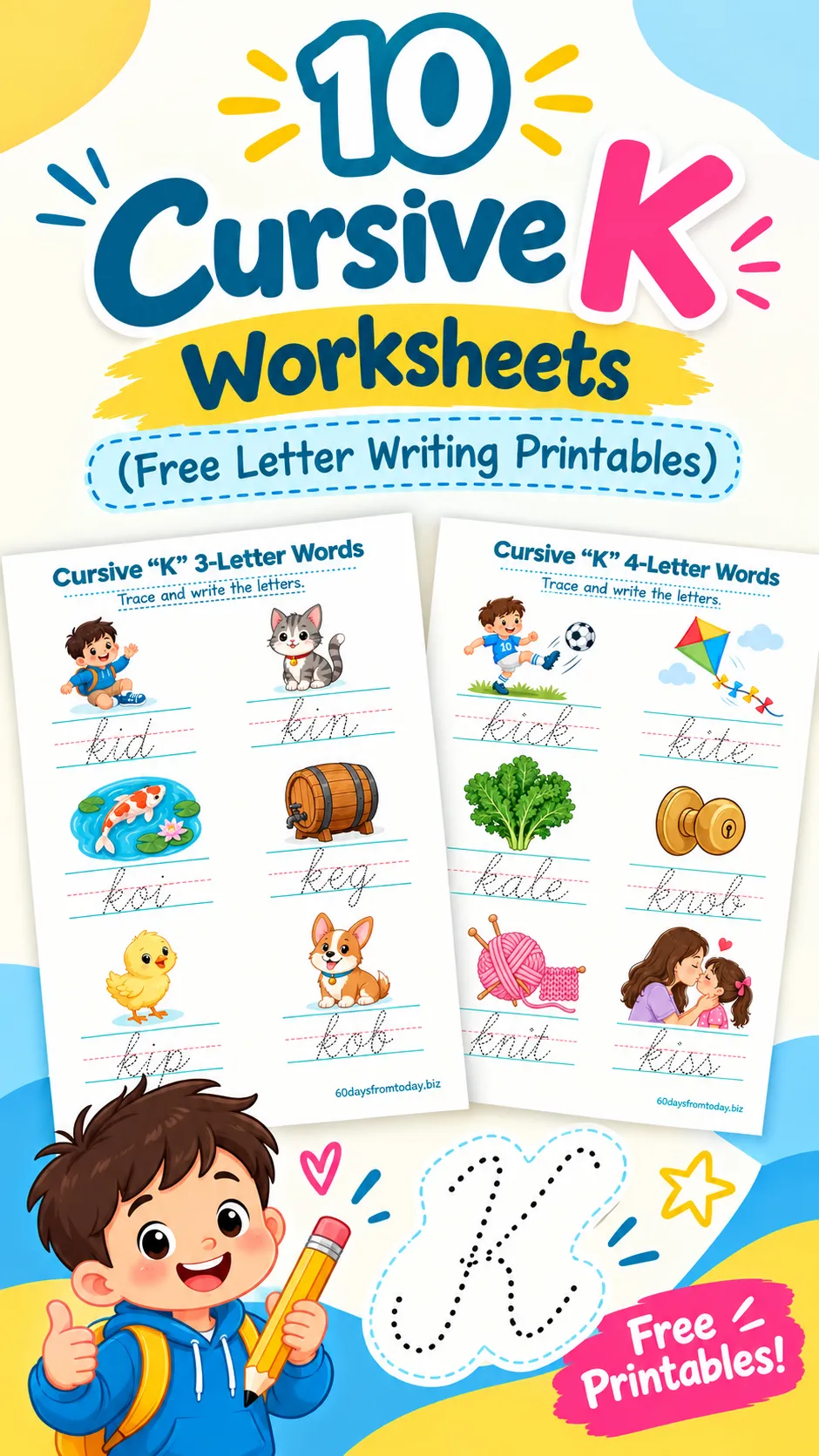
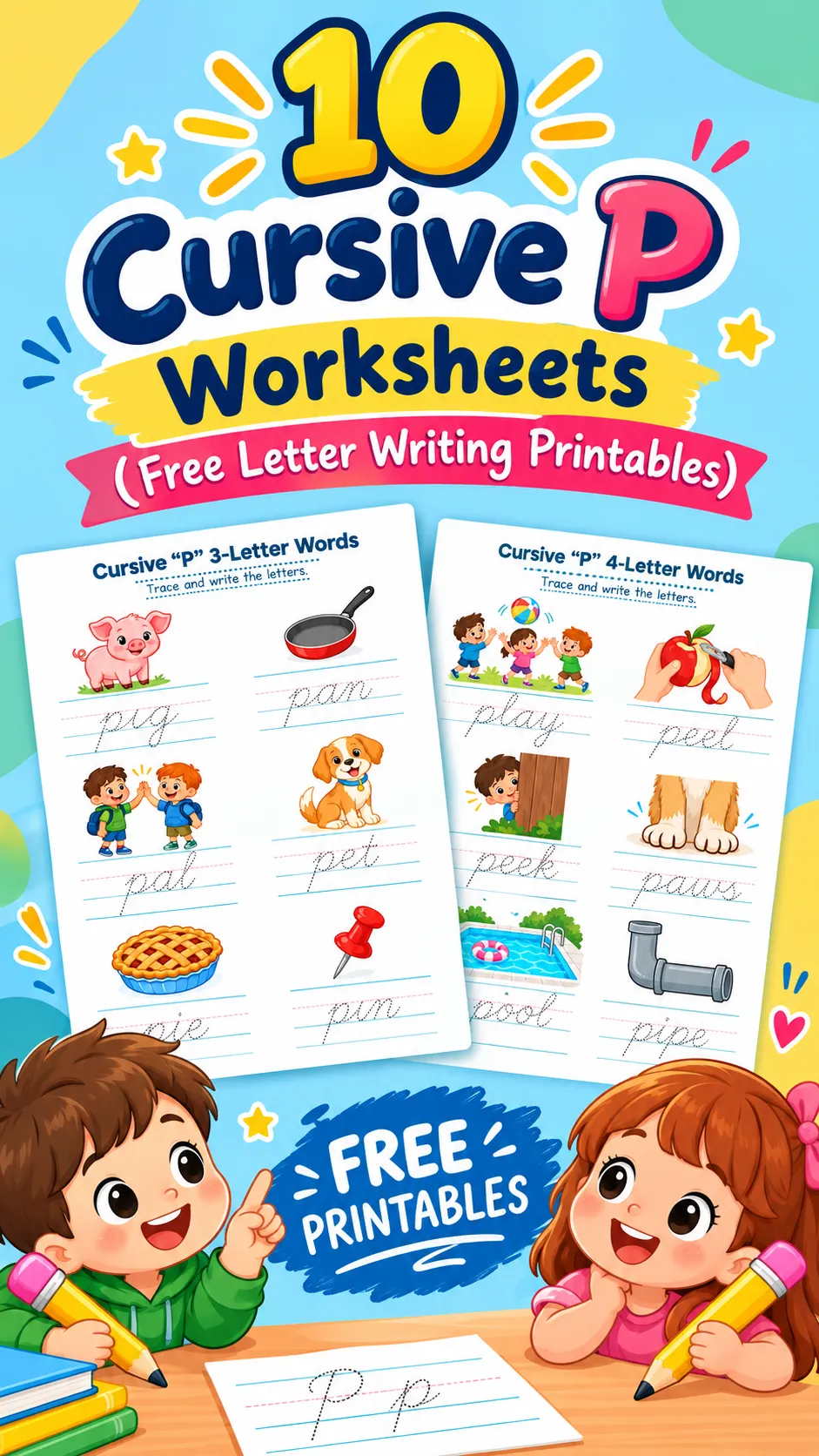
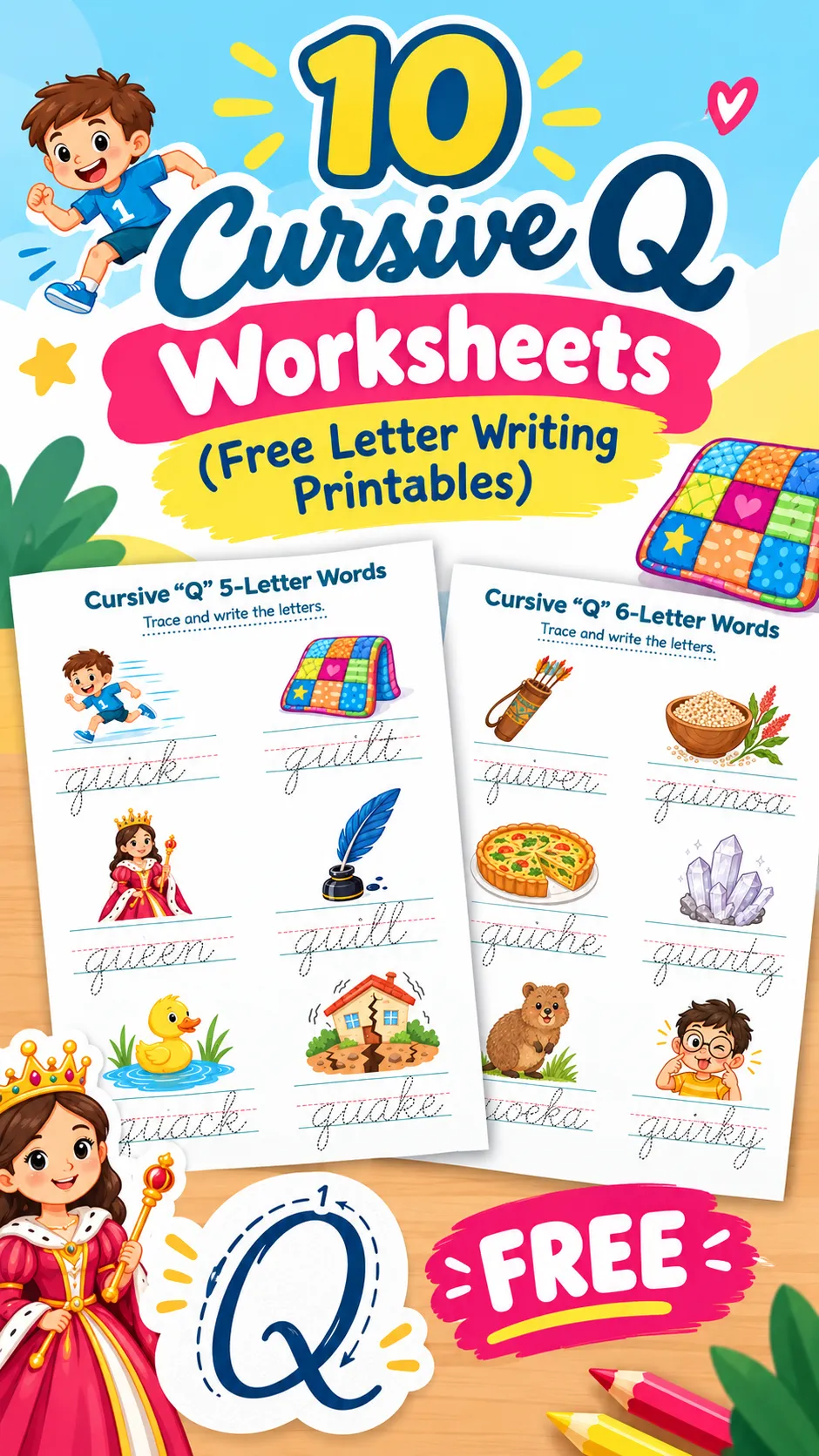
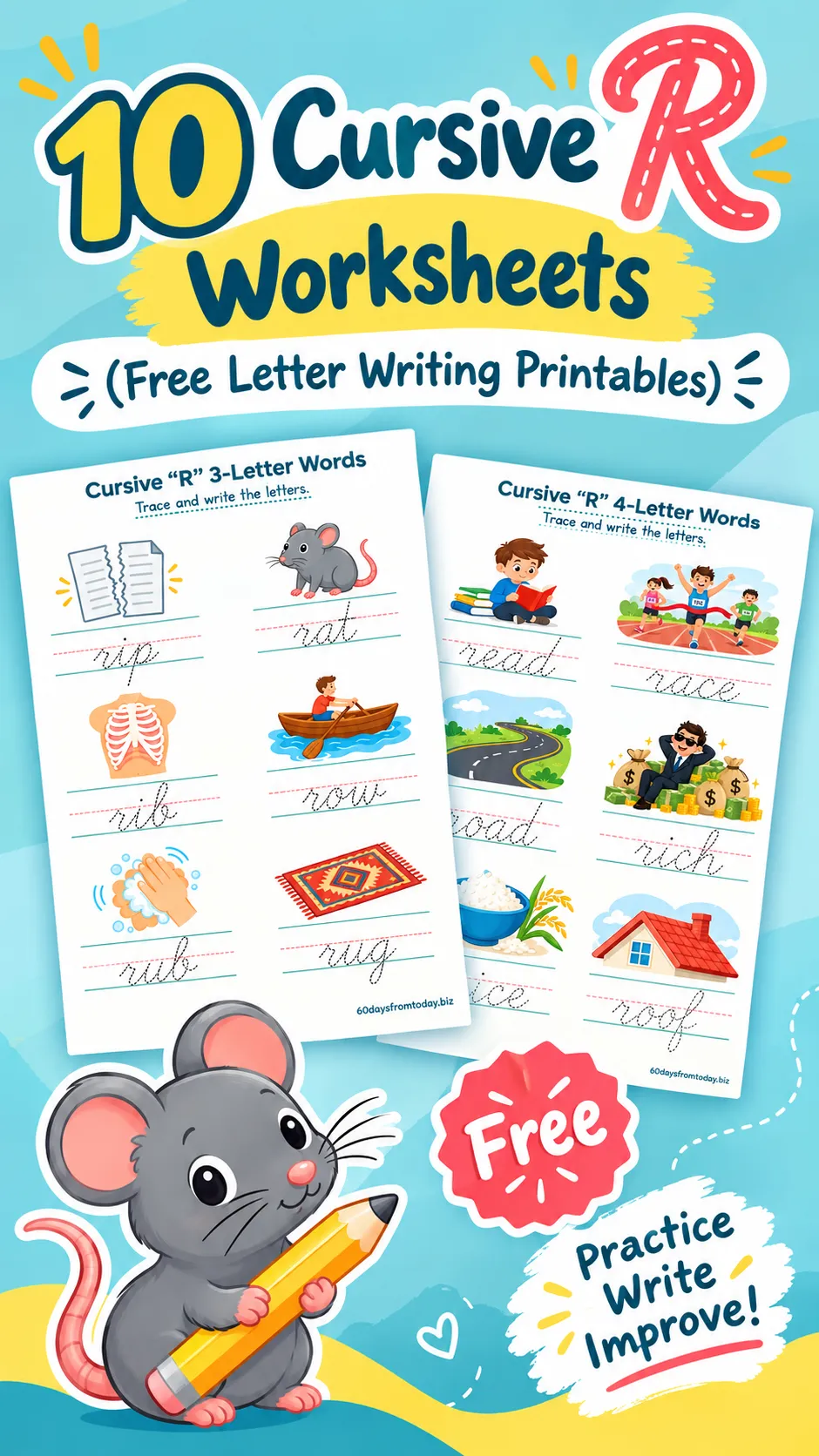
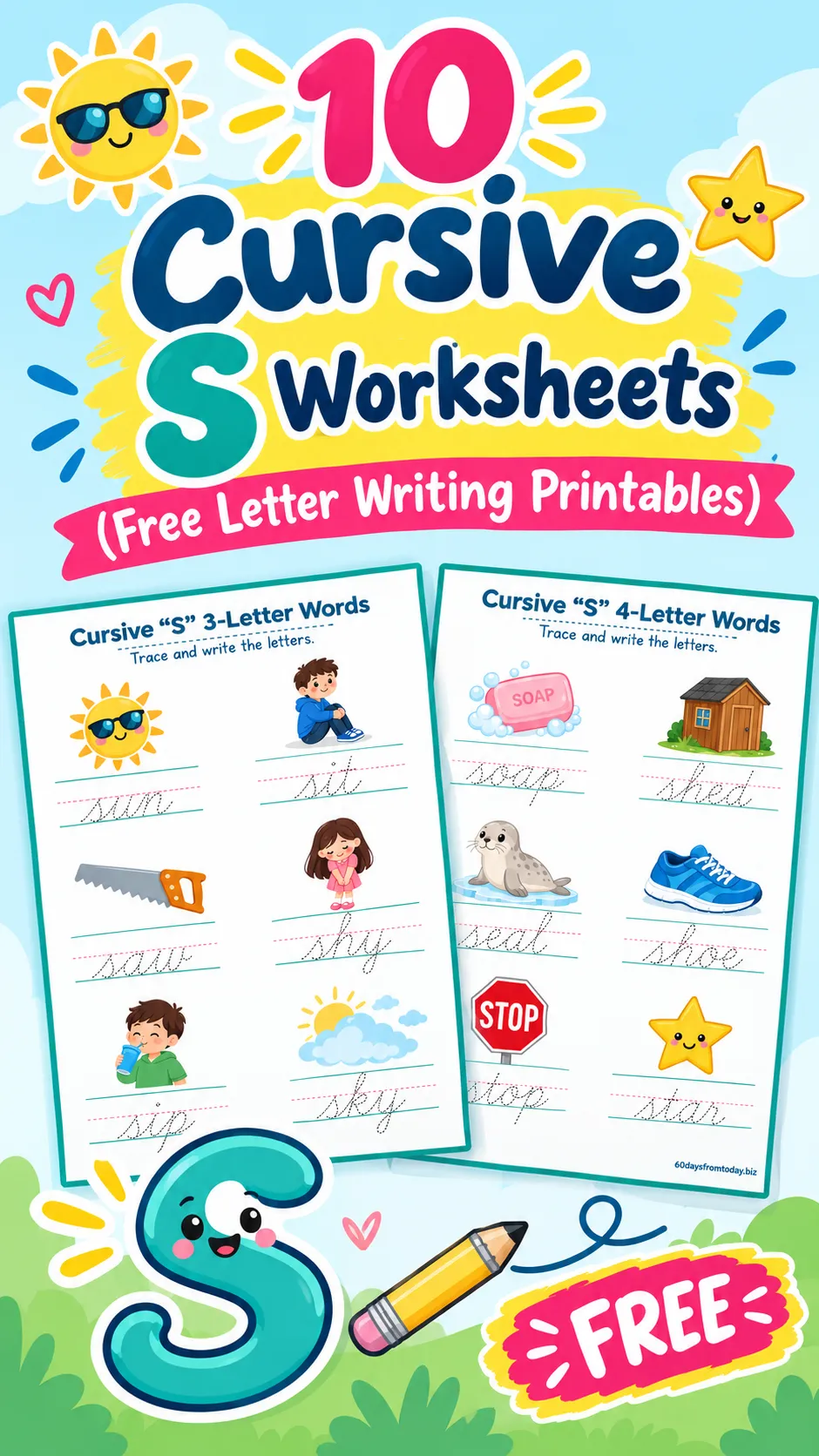
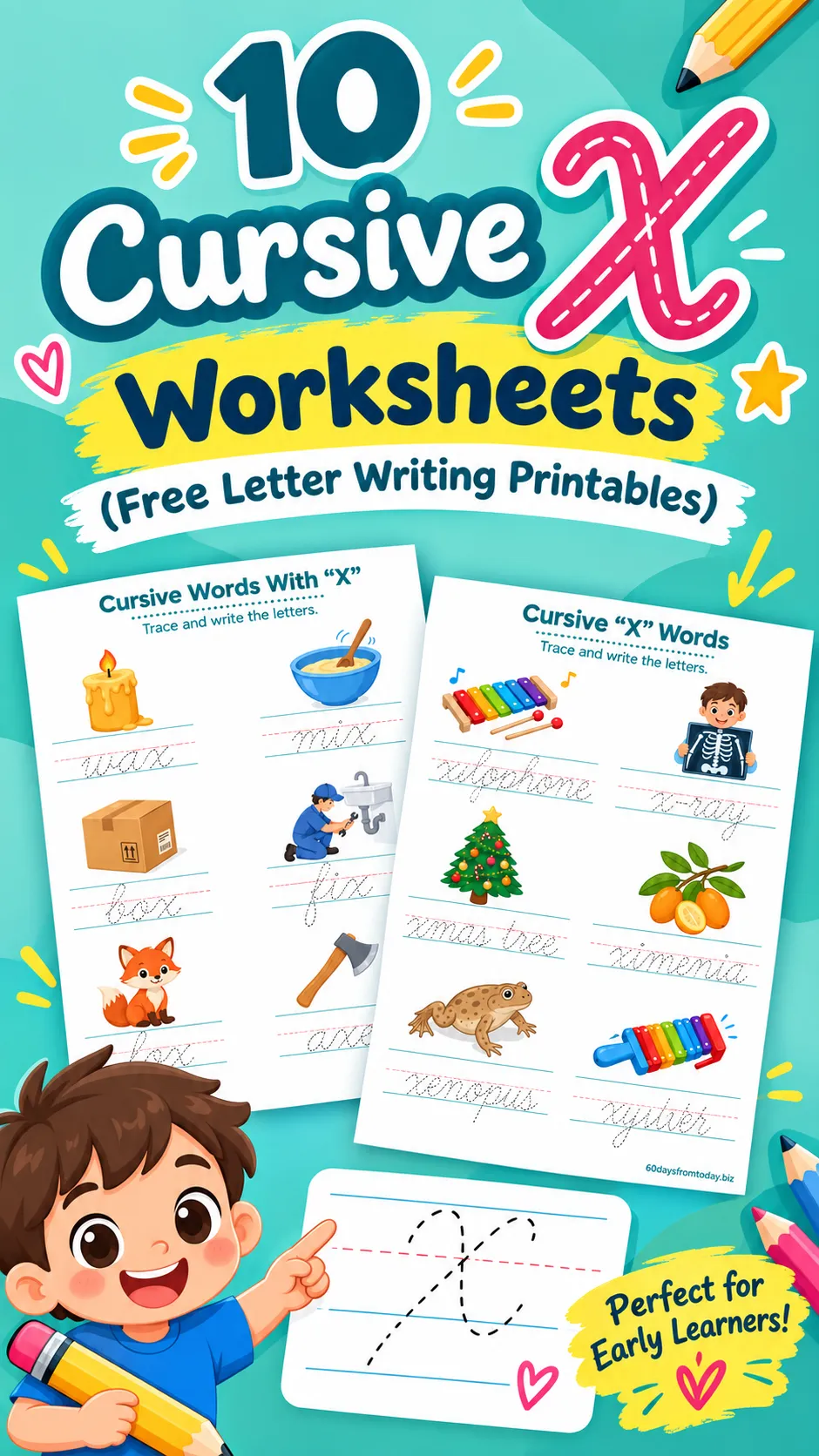
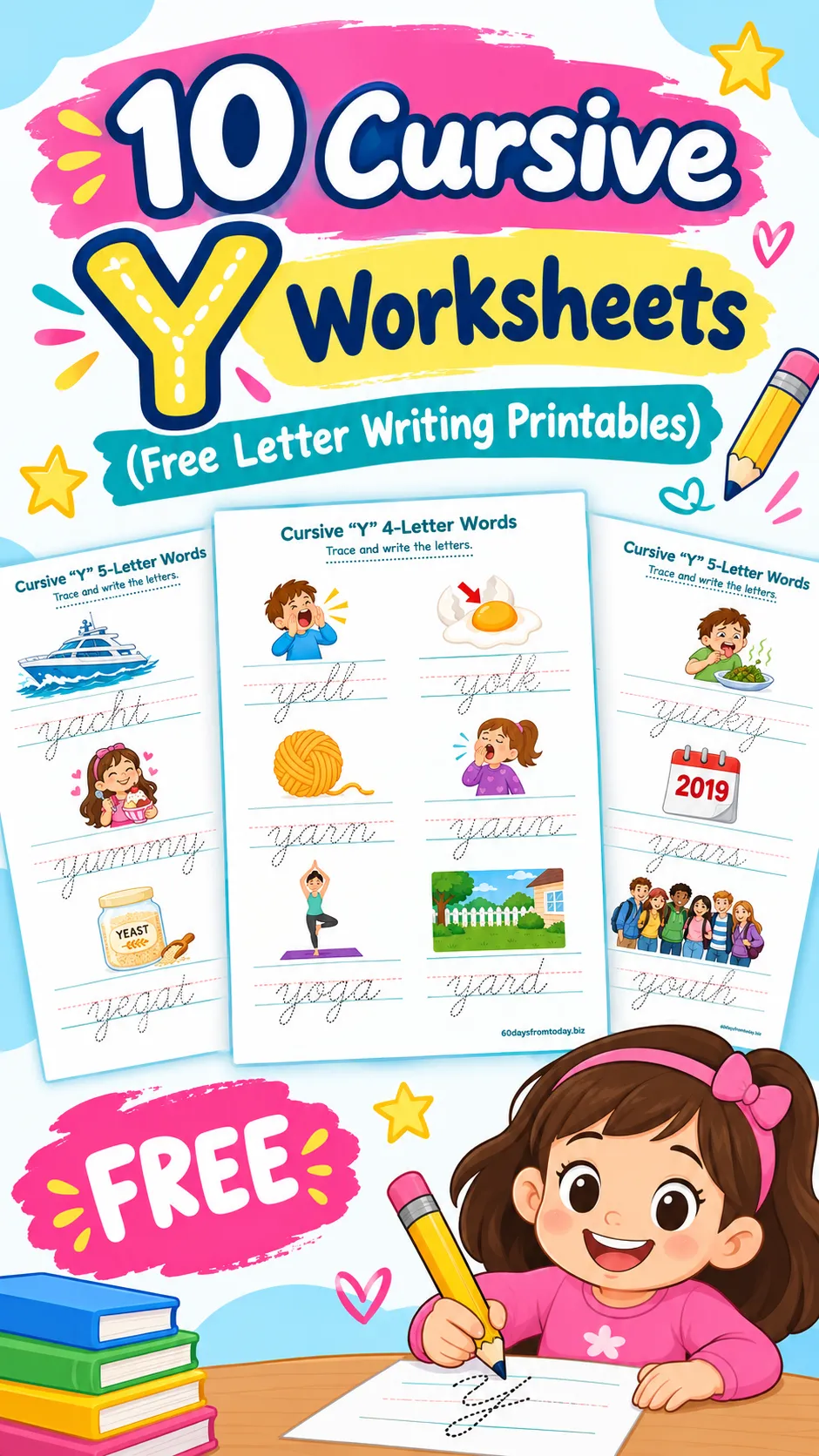
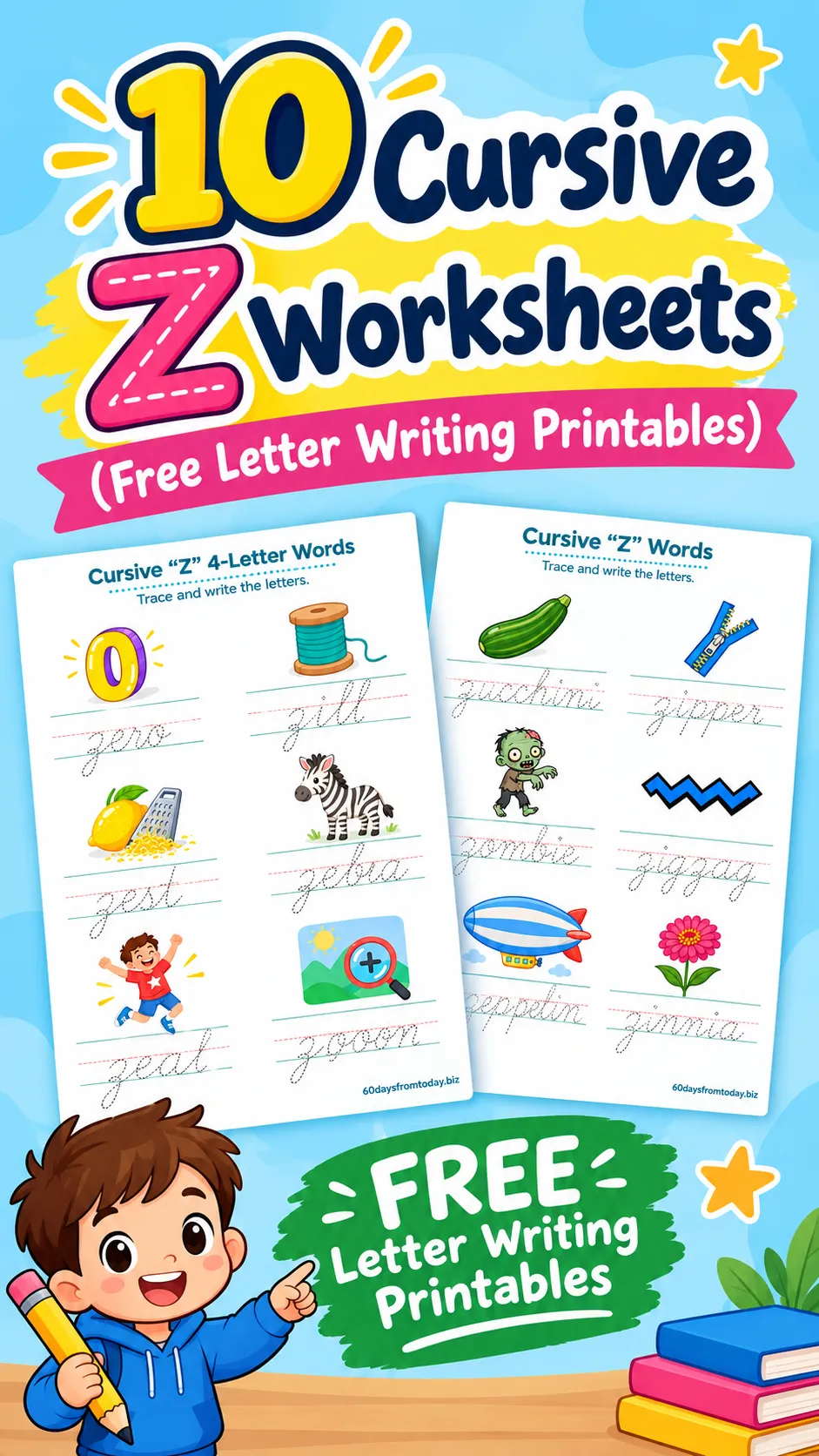
On this page, you’ll discover my complete collection of A-Z cursive alphabet worksheets, all available to download and print for free! This series began after I had a hard time finding high-quality cursive printables online while helping my children with their homework.
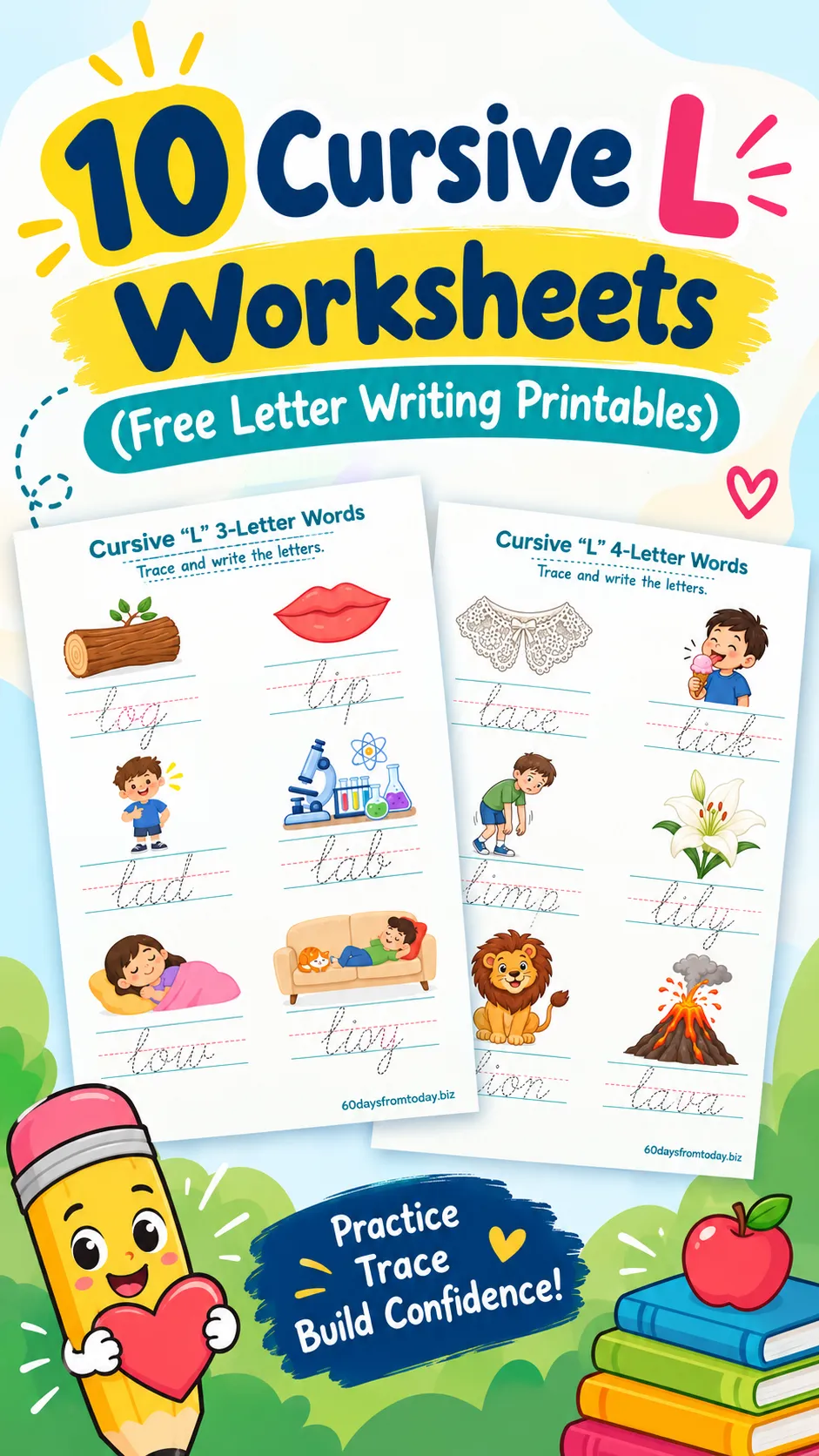
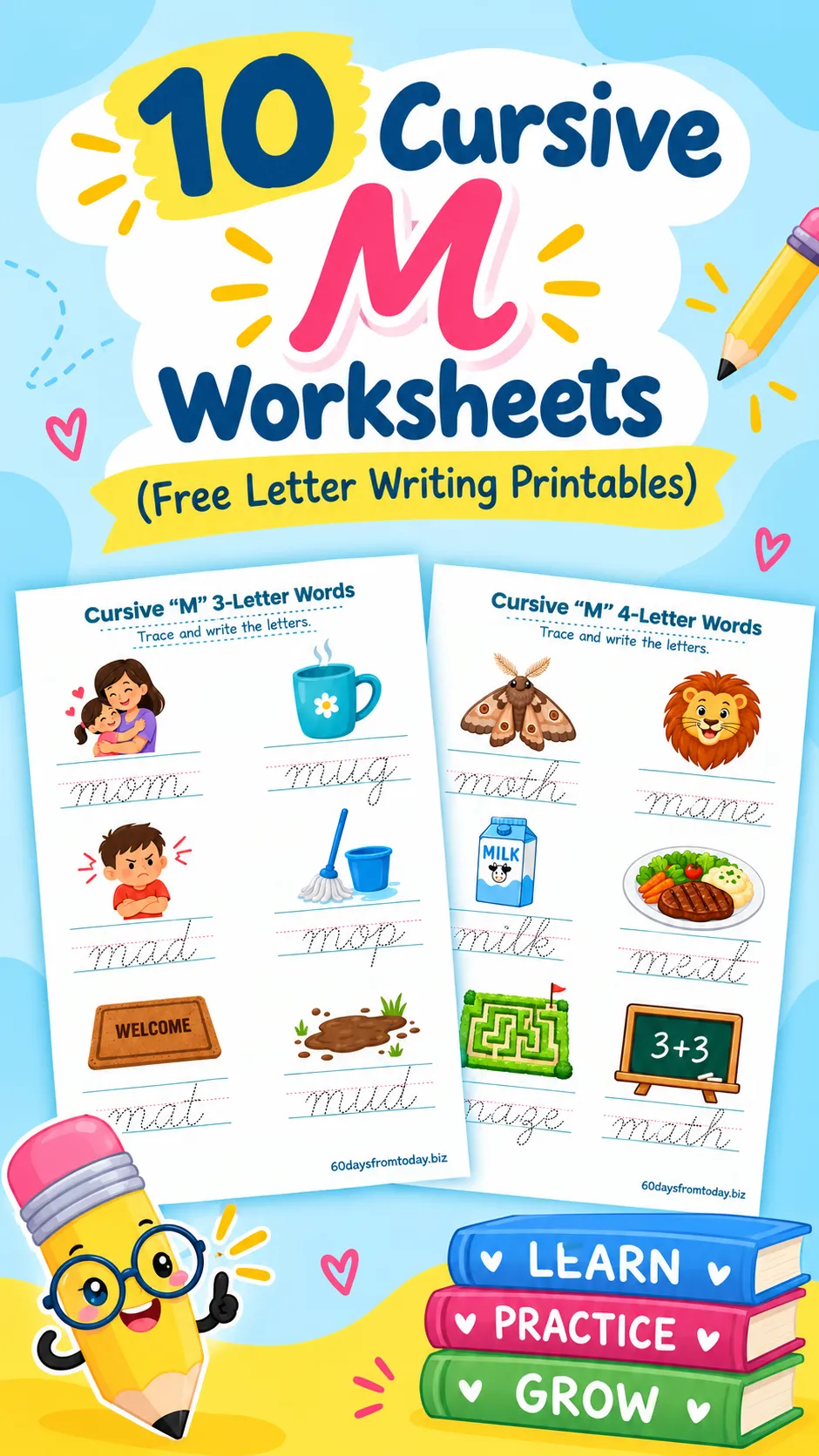
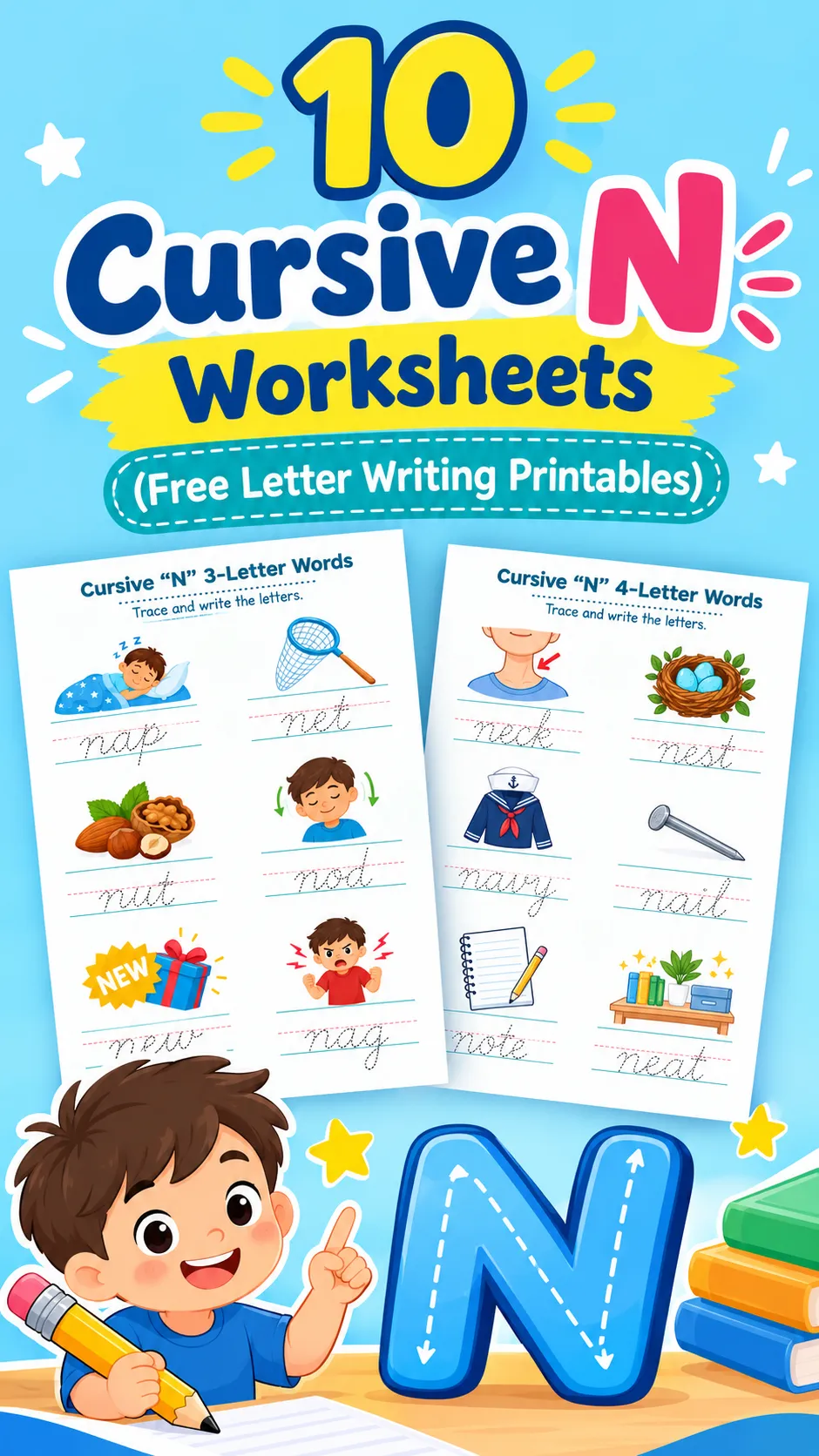
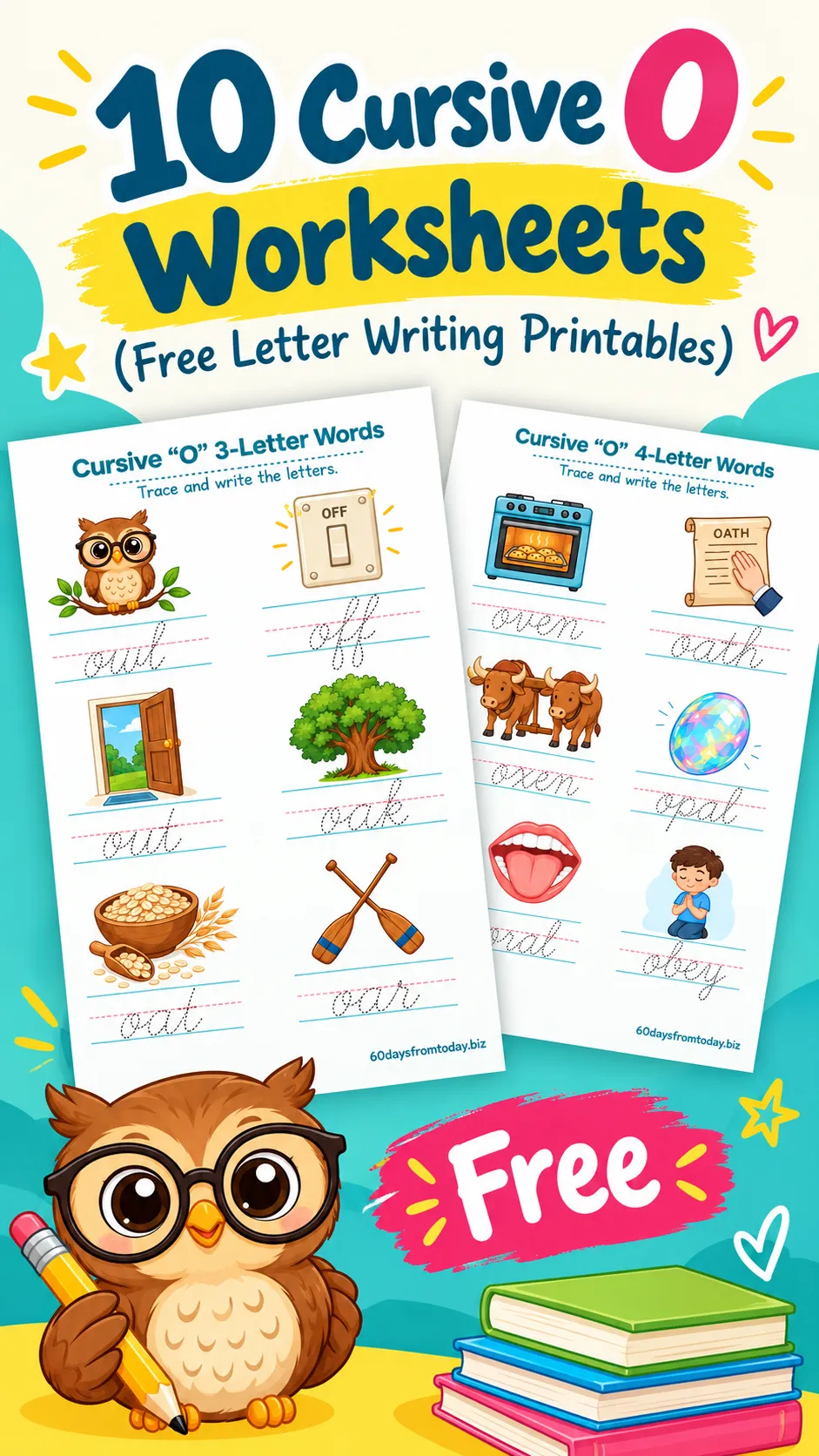
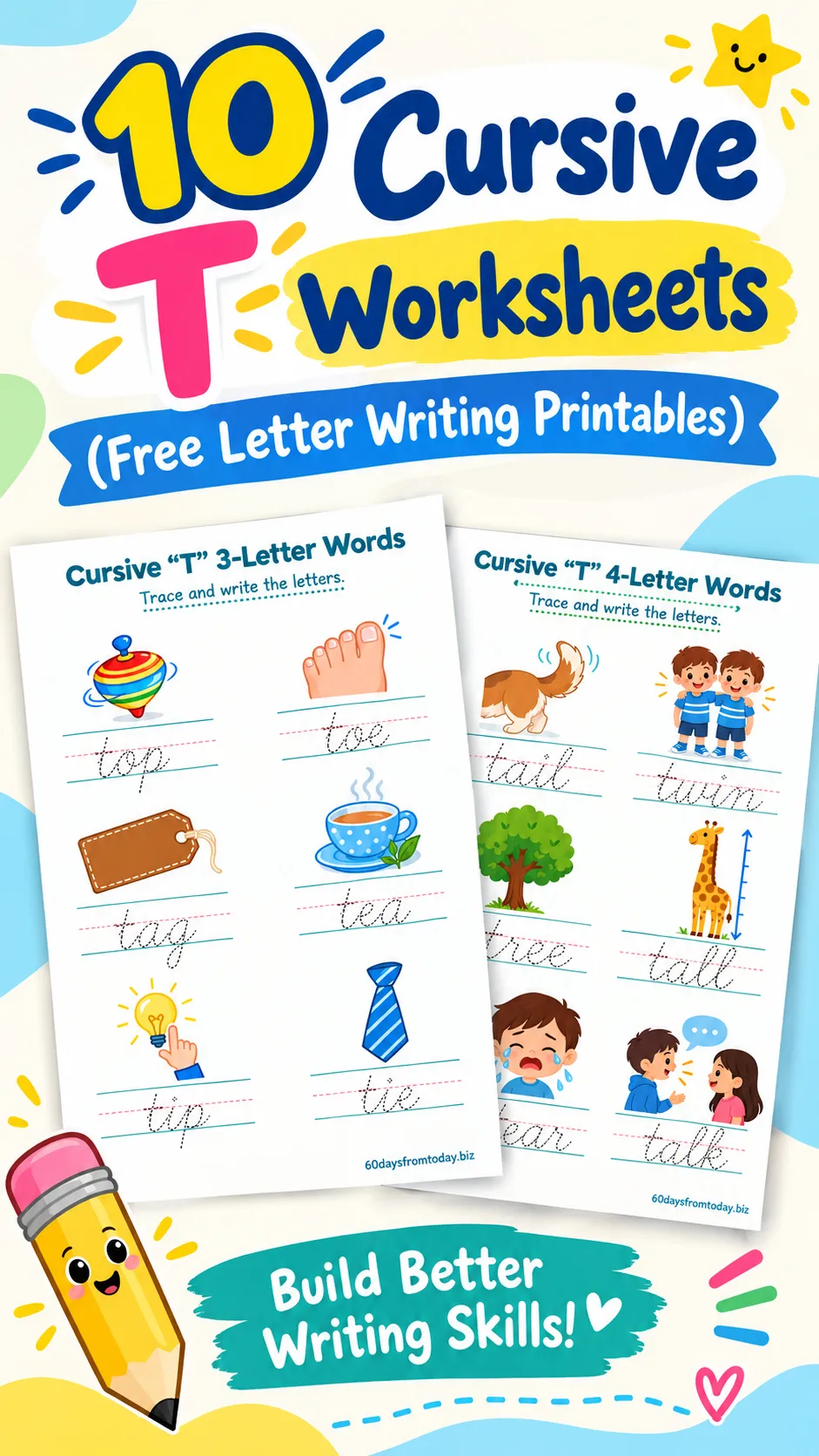
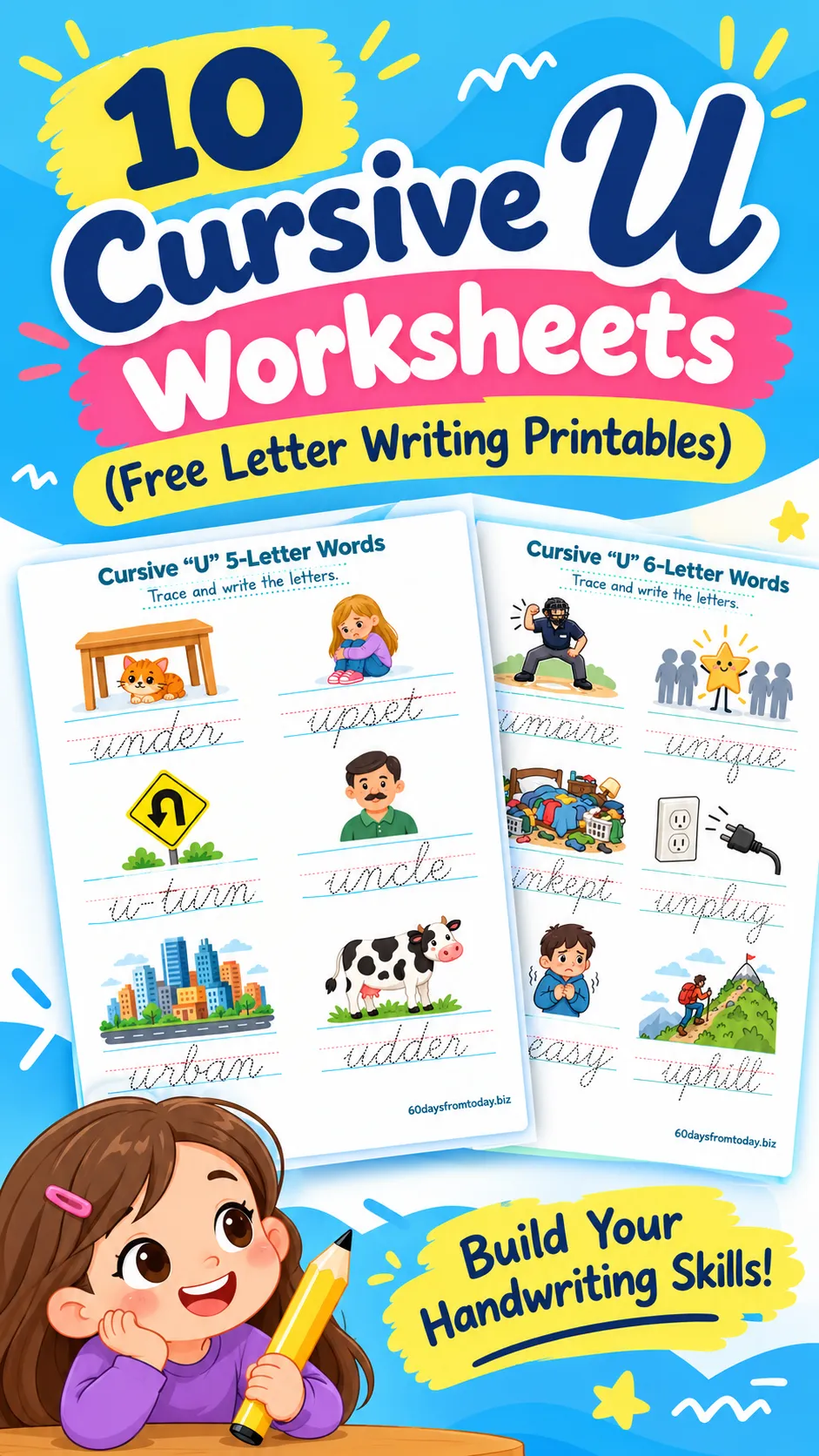
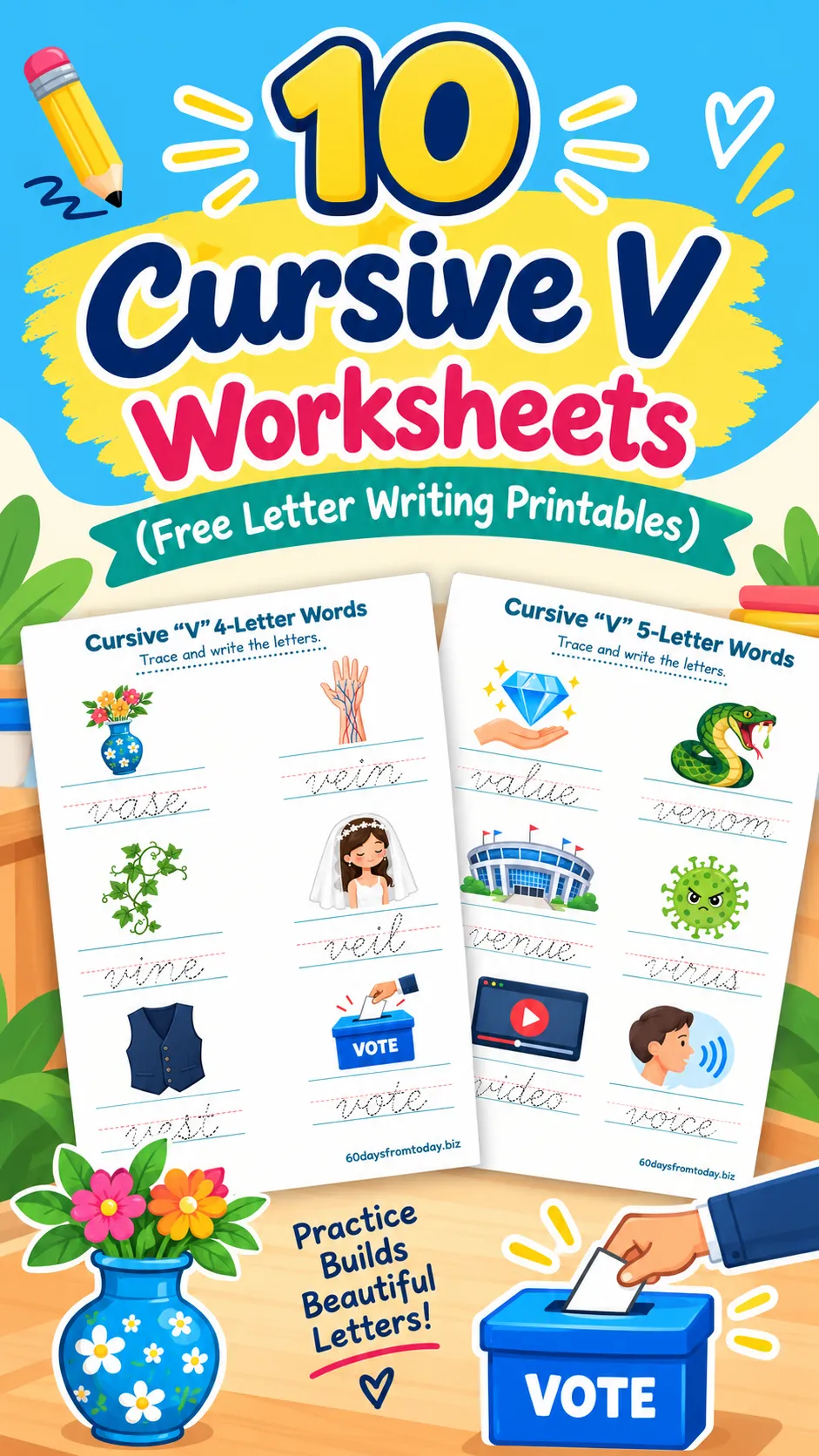
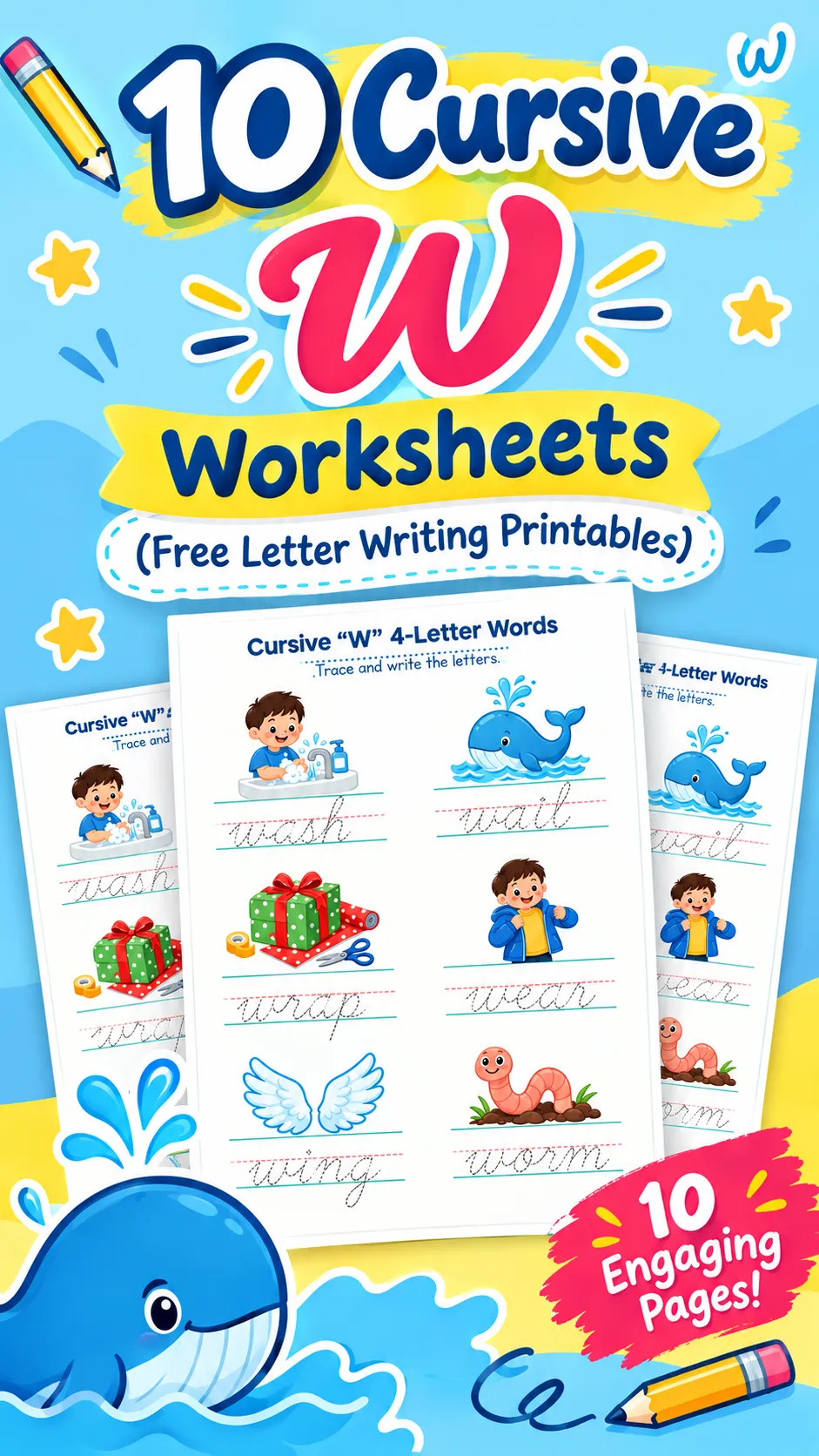
A few weeks later, this collection of free cursive alphabet worksheets came to life! For every letter below, you’ll find ten unique pages featuring different activities designed for learners of all age levels. You’ll also find a multi-page PDF containing all of the individual worksheets from each letter.
To access any worksheet, simply click the corresponding image or link to open the expanded pages. Once opened, you can download each worksheet individually or grab everything in a single PDF, completely free!
If you enjoy these free worksheets, please share them with friends, family, and colleagues! Happy writing!
10 Reasons Why Kids Should Learn The Cursive Alphabet
Cursive may not be taught in many schools today, but there are still plenty of reasons for kids to learn it. Here are ten reasons why children should continue learning the cursive alphabet.
10. Writing In Cursive Is Good For The Brain
Although it can be challenging to create a controlled experiment comparing cursive with printing, some studies suggest that handwriting in general benefits the brain, with cursive offering additional advantages.
For young children whose brains are still developing, “more neurons fire in different ways than printing.”
As young learners encounter new information through cursive, their brains can build new and different neural pathways.
With repetition and plenty of practice, these pathways can become stronger and more established, supporting a more developed and well-rounded brain during childhood and beyond.
9. Writing In Cursive Builds Fine Motor Skills
As adults, many of us barely notice the movements our hands make while writing in cursive. Learning it, however, is a completely different experience.
Think back to when you first learned cursive. You were probably writing slowly and concentrating carefully on every movement.
That focused practice is beneficial because the brain has to send precise signals to the hand to create those looping, slanted letters.
Learning cursive helps children strengthen their fine motor skills. They even hold their pencils differently, while the eye-hand coordination required for cursive involves careful and controlled movements.
8. Writing In Cursive Improves Recall
A 2020 study from the Norwegian University of Science and Technology, led by Audrey Van der Meer, found that handwriting in cursive can help improve recall.
“Writing by hand creates much more activity in the sensorimotor parts of the brain,” Van der Meer writes.
“These sensory experiences create contact between different parts of the brain and open the brain up for learning.”
Young learners aren’t simply pressing a pencil onto paper. They’re watching letters take shape while also sounding out the letters or words they are writing.
That combination of movement, sight, and sound can help them remember what they have written more clearly.
7. Learning The Cursive Alphabet Can Help Students Spell Better
Much like recall, practicing cursive can also support students as they learn to spell words.
As children experience the sensory aspects of writing and engage different areas of the brain, they’re not only remembering what they wrote more clearly, but also remembering how they formed those words.
6. Cursive Connects Kids To History
Whether children are studying the Declaration of Independence or simply looking through their grandmother’s old recipes, knowing how to read cursive can give them a direct connection to history.
For centuries, many historical figures in the Western world wrote primarily in cursive.
Being able to see and read historical documents, letters, and other materials in their original handwritten form—not simply as text printed on a card—is extremely valuable when exploring the past.
Cursive can also connect children with their own family history. Without learning cursive, they may struggle to read Christmas cards from grandparents or letters written by family members years ago.
5. Cursive Can Help Students With Disabilities Learn To Read And Write
Some printed letters can look remarkably similar, especially b and d, which can make reading and writing more challenging for students with dyslexia.
In cursive, however, lowercase b and d look noticeably different, making it easier for dyslexic students to distinguish between the two letters.
From there, cursive practice may help students with dyslexia develop more fluid reading and writing skills, giving them greater confidence and supporting their self-esteem.
4. Some Legal Documents Require A Cursive Signature
A friend of mine works in an office and once had a younger person come in to sign some documents.
They were handed a clipboard with several pages attached, but a few minutes later, the young person was struggling.
It turned out they had never learned cursive, leaving them unsure how to sign their own name.
While printed signatures have become increasingly common, some traditional documents may still require a cursive signature, with the printed name appearing on a separate line.
3. Cursive Sets Up Kids For Later Life
Learning the cursive alphabet can benefit children while they’re young, but it may also influence their cognitive abilities as they grow older.
The College Board found that students who wrote in cursive on the essay section of the SATs scored slightly higher than students who printed.
William Klemm, Ph.D., author of a Psychology Today article, also compares cursive writing with playing a musical instrument when discussing brain activity.
So, when children learn cursive early and continue using it as they grow, they may be giving their brains valuable practice that can continue benefiting them well into later life.
2. Cursive Is A Faster Way To Write
For many people, thoughts move faster than their fingers can write. When it comes to writing speed, however, cursive has an advantage over printing.
One reason is that the pencil is lifted from the paper less often while writing in cursive.
If your child has plenty of ideas to express, learning cursive can encourage them to put those thoughts on paper more quickly than they could through printing.
1. Cursive Is Beautiful And Boosts Creativity
Simply put, cursive is beautiful. It’s a close cousin of calligraphy and can feel almost like a form of art.
Like other forms of creative activity, learning cursive engages mental activity and supports coordination between the left and right sides of the brain.
This can contribute to a stronger, more active brain—the kind of environment where creativity can flourish.